
Teaching Preteens Independence in the Kitchen: Building Confidence and Life Skills
Simple strategies for helping your preteen learn kitchen skills that are age appropriate.
KDennis
1/19/20262 min read
Teaching Preteens Independence in the Kitchen: Building Confidence and Life Skills
Helping preteens aged 11–14 gain independence in the kitchen is an important step toward developing confidence, responsibility, and essential life skills. At this age, children are ready to take on more complex tasks, understand safety rules, and express creativity through cooking. With the right guidance, the kitchen can become a space for learning, exploration, and self-reliance.
Why Kitchen Independence Matters
Cooking teaches more than just how to prepare food. It encourages problem-solving, time management, and healthy eating habits. When preteens learn to cook, they also gain a sense of accomplishment and pride in contributing to family meals. These experiences build self-esteem and prepare them for adulthood.
Setting the Foundation: Safety First
Before diving into recipes, it’s essential to establish clear safety guidelines.
Knife skills: Teach how to hold and use knives safely, starting with smaller, softer foods.
Heat awareness: Explain how to handle stovetops, ovens, and microwaves responsibly.
Clean habits: Emphasize washing hands, cleaning surfaces, and proper food storage.
Emergency readiness: Show how to use oven mitts, handle spills, and respond to minor burns or cuts.
Supervision is still important, but allowing preteens to take the lead under watchful eyes helps them build trust in their abilities.
Age-Appropriate Tasks
Ages 11–12
At this stage, preteens can handle simple recipes and basic cooking techniques.
Measuring ingredients
Making sandwiches or wraps
Preparing salads
Using the microwave safely
Stirring, mixing, and whisking
Ages 13–14
Older preteens can begin managing more complex tasks and full recipes.
Boiling pasta or rice
Baking simple desserts
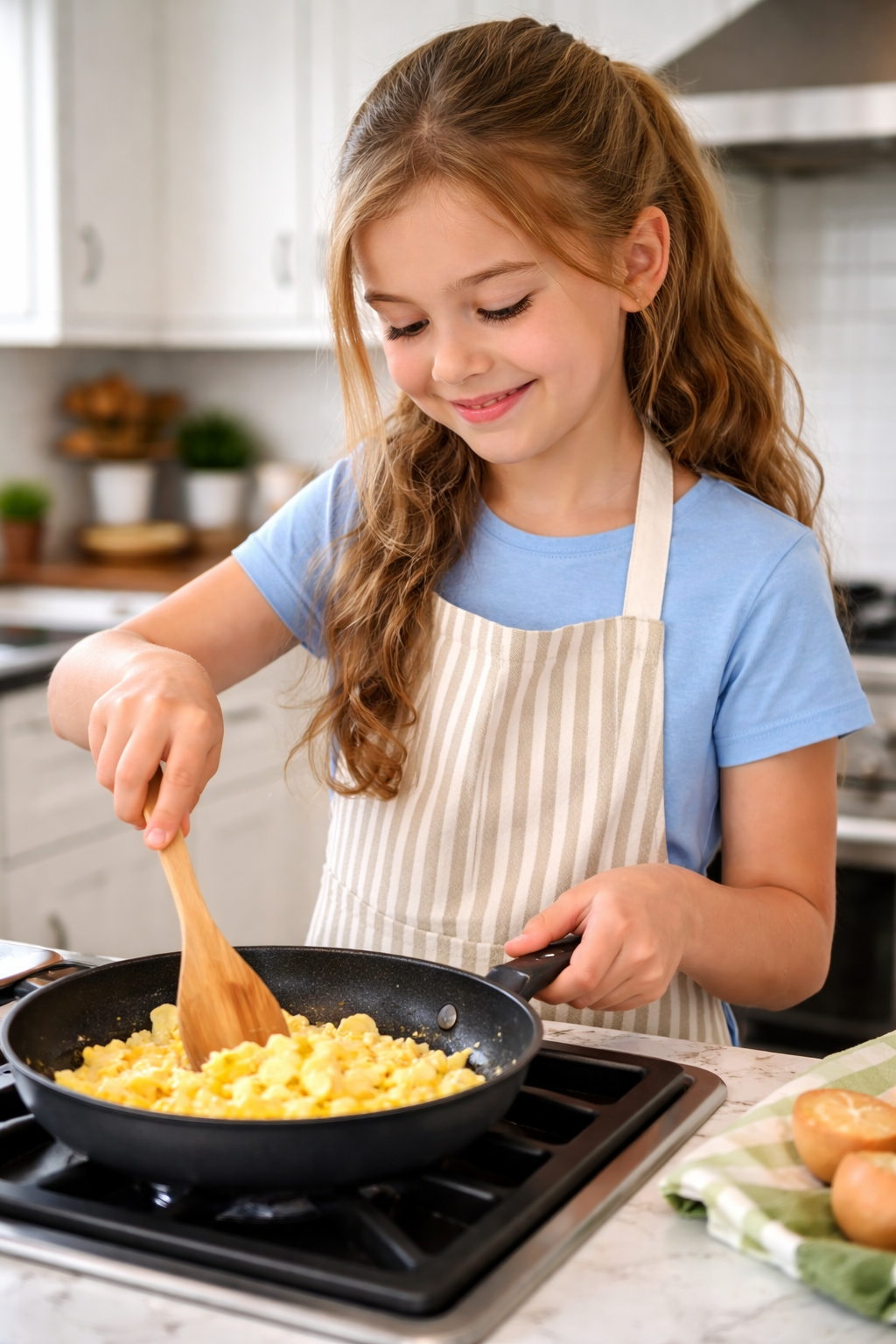
Cooking eggs or pancakes
Using the oven with supervision
Planning and preparing a full meal
Encouraging them to read recipes, follow steps, and experiment with flavors helps develop independence and creativity.
Encouraging Responsibility
Cooking is an excellent opportunity to teach accountability. Assigning kitchen responsibilities—like setting the table, cleaning up, or planning a weekly meal—helps preteens understand teamwork and ownership. Encourage them to take pride in their contributions and reflect on what went well or what could improve next time.
Making Cooking Fun
Turning cooking into an enjoyable experience keeps preteens engaged.
Host a “family cook-off” night.
Let them choose a theme or cuisine to explore.
Encourage them to create their own recipes.
Celebrate their successes with positive feedback.
When cooking feels like a creative outlet rather than a chore, preteens are more likely to stay motivated and curious.
Building Lifelong Skills
By gradually increasing independence in the kitchen, preteens learn valuable lessons that extend beyond cooking. They gain confidence in making decisions, managing time, and caring for themselves and others. These early experiences lay the foundation for a lifetime of healthy habits and self-sufficiency.
Empowering preteens to cook is not just about preparing meals—it’s about nurturing independence, creativity, and confidence that will serve them well into adulthood.