Helping Children Develop Beginning Writing Skills
Tips and tricks for supporting children as they begin to learn to write.
KDennis
2/2/20262 min read
Helping Children Develop Beginning Writing Skills
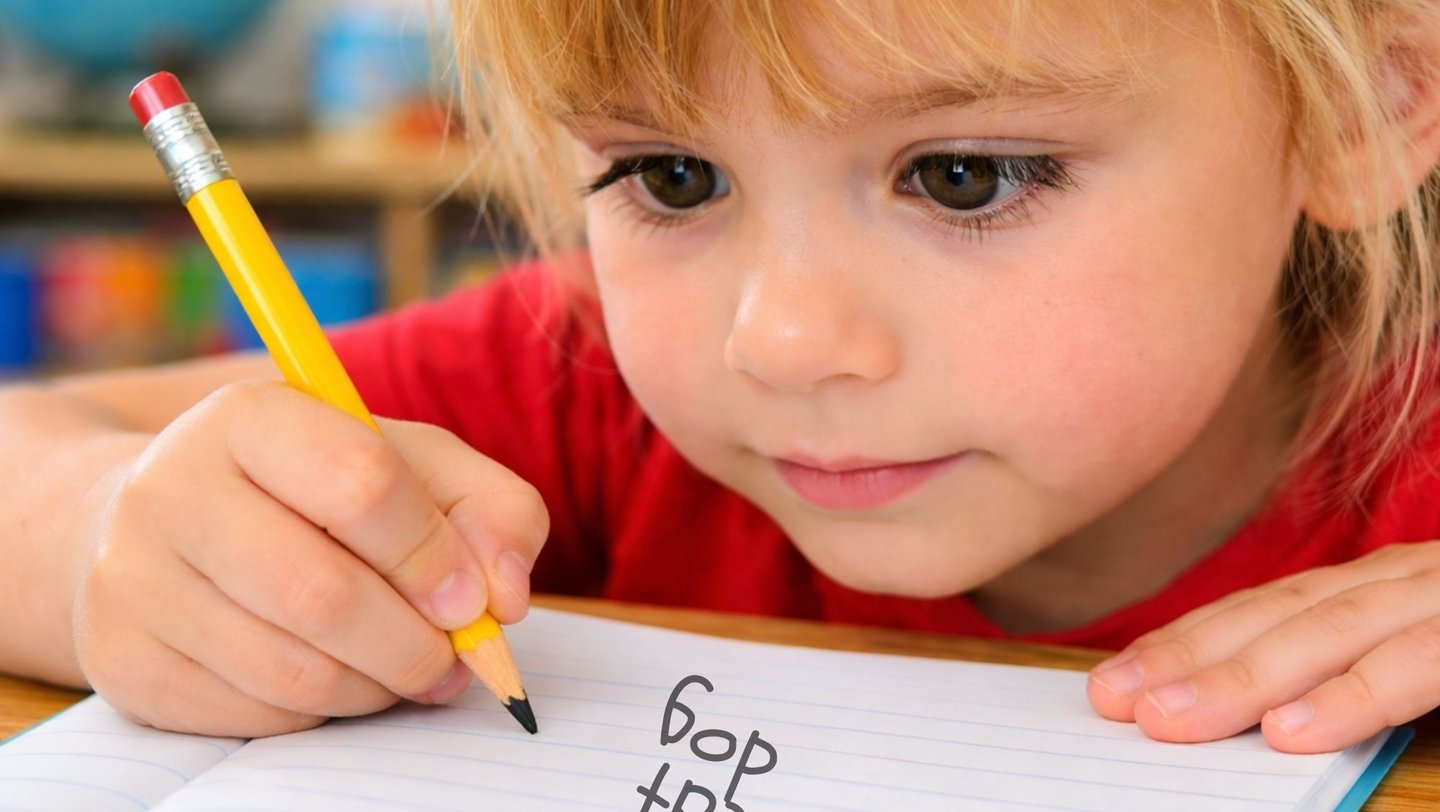
Developing writing skills is a key milestone in early childhood education. Writing allows children to express their thoughts, build literacy, and strengthen fine motor coordination. Supporting children at this stage requires patience, creativity, and consistent practice through engaging activities.
Understanding Early Writing Development
Children progress through several stages before they can write independently. These stages often include:
Scribbling: Random marks that represent early attempts at writing.
Letter-like forms: Shapes and symbols that resemble letters.
Letter strings: Sequences of letters, often without spacing or meaning.
Phonetic spelling: Writing based on the sounds children hear in words.
Conventional writing: Correct spelling, punctuation, and sentence structure.
Recognizing these stages helps caregivers and educators provide appropriate support at each level.
Building Fine Motor Skills
Strong writing begins with well-developed hand muscles. Activities that strengthen fine motor control include:
Playing with clay or playdough
Stringing beads or threading laces
Using tweezers to pick up small objects
Drawing, coloring, and tracing shapes
These activities improve hand-eye coordination and prepare children for holding and controlling a pencil.
Encouraging Pre-Writing Activities
Before formal writing begins, children benefit from pre-writing exercises that build confidence and familiarity with letters and shapes. Examples include:
Tracing lines, curves, and zigzags
Drawing simple pictures
Using sand, shaving cream, or finger paint to form letters
Practicing name writing with dotted outlines
These playful methods make writing feel fun and approachable.
Creating a Print-Rich Environment
Exposure to written language helps children understand the purpose of writing. A print-rich environment can include:
Labels on household items
Storybooks and picture books
Alphabet charts and posters
Writing centers with paper, crayons, and markers
When children see writing used in daily life, they begin to connect spoken and written words naturally.
Modeling and Encouragement
Children learn best by observing adults. Demonstrating writing during everyday activities—such as making lists, writing notes, or labeling drawings—shows that writing has real-world value. Offering praise for effort rather than perfection builds confidence and motivation.
Making Writing Meaningful
Writing becomes more engaging when it connects to a child’s interests. Encourage children to:
Write letters or cards to family members
Keep a simple journal or drawing diary
Create stories about their favorite characters
Label their artwork
Meaningful writing experiences foster creativity and a sense of accomplishment.
Supporting Progress with Patience
Every child develops writing skills at a different pace. Consistent practice, gentle correction, and positive reinforcement help children progress without frustration. Celebrate small successes and focus on growth rather than mistakes.
Conclusion
Helping children develop beginning writing skills is about nurturing curiosity, creativity, and confidence. Through hands-on activities, modeling, and encouragement, children can build a strong foundation for lifelong literacy and communication.